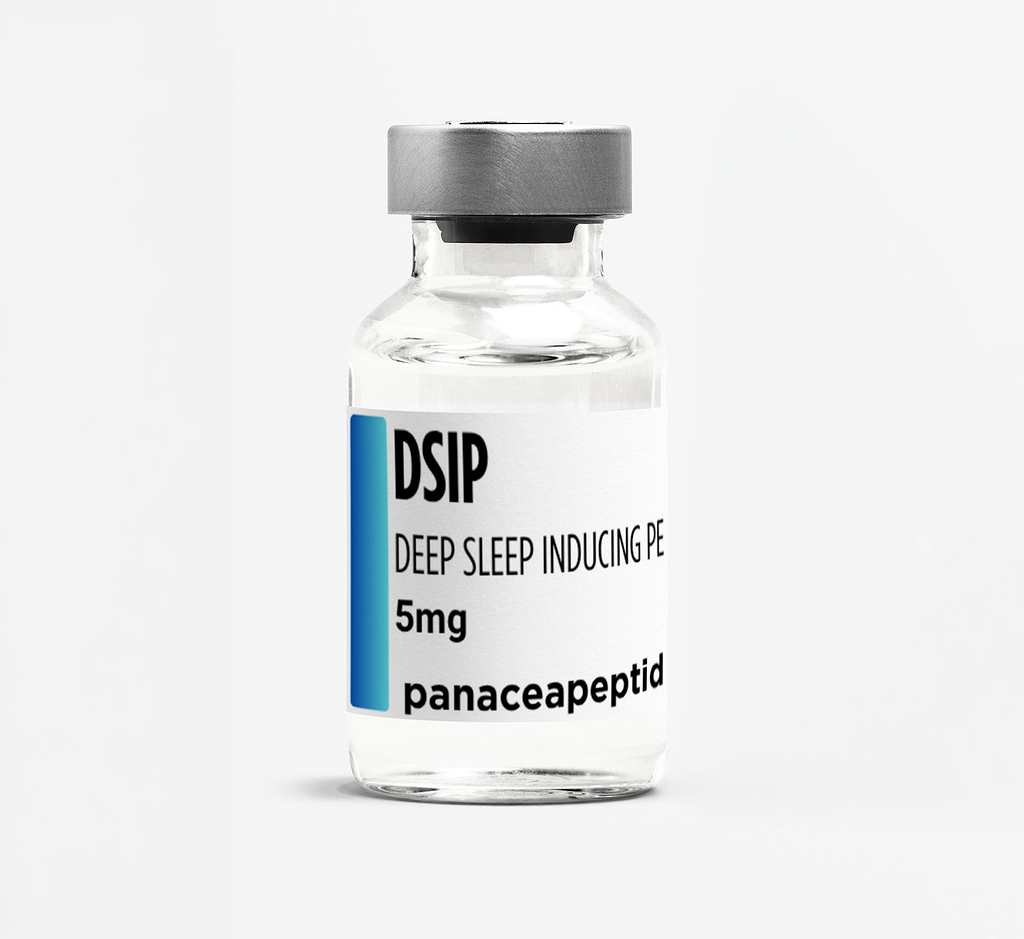
DSIP-5
DSIP, Delta Sleep Inducing Peptide
SHORT DESCRIPTION
Delta Sleep-Inducing Peptide (DSIP)
Delta Sleep-Inducing Peptide (DSIP) is a naturally occurring neuropeptide, first isolated in 1977 from rabbits, that is primarily known for its ability to promote deep, restorative sleep. Unlike traditional sedatives that "knock you out," DSIP is considered a sleep-promoting substance that modulates the body's natural sleep-wake architecture.
Overview
What is Delta Sleep-Inducing Peptide (DSIP)?
Delta Sleep-Inducing Peptide (DSIP) is a naturally occurring peptide that plays a crucial role in regulating sleep cycles, reducing stress, and promoting deep, restorative sleep. It helps individuals struggling with insomnia, poor sleep quality, and high stress levels by working on the body’s central nervous system to encourage relaxation and balance.
How Does DSIP Work?
DSIP influences sleep regulation by interacting with the hypothalamus and pituitary gland, key areas of the brain responsible for controlling sleep-wake cycles and stress responses. It helps modulate melatonin production, reduce cortisol levels, and promote deeper sleep by increasing slow-wave (delta) sleep, which is essential for physical and mental recovery.
Unlike traditional sleep aids, DSIP does not cause drowsiness but instead optimizes the body’s natural ability to fall and stay asleep.
Key Benefits of DSIP
Promotes deep, restorative sleep
Enhances delta wave sleep, improving overall sleep quality.
Reduces stress and anxiety
Lowers cortisol levels and enhances relaxation.
Supports faster muscle recovery
Helps the body repair and rebuild during sleep.
Regulates melatonin production
Aligns the body’s natural circadian rhythm for better sleep-wake balance.
Boosts energy and focus
Better sleep leads to improved daytime alertness and cognitive function.
May help with chronic fatigue and insomnia
Addresses sleep disorders without the side effects of traditional sedatives.
Enhances overall mood and well-being
Balances neurotransmitters linked to relaxation and stress relief.
This product is for research purposes only and is NOT for human consumption. Intended for use by qualified researchers and institutions only.
RESEARCH AND PRACTICAL APPLICATIONS
Mechanism of action
Core Functions & Mechanism: Induces Delta Waves: It promotes "slow-wave" or delta-wave activity, which is the deepest stage of non-REM sleep critical for physical and mental recovery. Neuroendocrine Regulation: DSIP influences the hypothalamic-pituitary-adrenal (HPA) axis, which helps regulate the release of hormones such as luteinizing hormone (LH) and growth hormone (GH). Stress & Cortisol Modulation: It has shown the ability to lower elevated levels of cortisol (the stress hormone), helping to mitigate the physiological impact of chronic stress. Neurotransmitter Interaction: Some studies suggest it may potentiate GABA (a calming neurotransmitter) while blocking certain NMDA receptor activity.
Potential Benefits & Research Uses:
Sleep Disorders:
Studied for treating chronic insomnia and narcolepsy, though human clinical results have been mixed and sometimes conflicting.
Substance Withdrawal:
Research indicates it may significantly alleviate withdrawal symptoms in patients with alcohol and opioid dependence.
Chronic Pain:
Some studies have explored its analgesic (pain-killing) properties, particularly for migraines, fibromyalgia, and neuropathic pain.
Neuroprotection:
Animal models suggest it may have antioxidant effects that protect brain cells from oxidative stress and free radical damage.
Safety & Administration:
Administration:
Typically administered via subcutaneous injection before bed, though intranasal and intravenous forms have been used in research.
Regulatory Status:
DSIP is not FDA-approved for any medical use and is primarily sold as a "research compound".
Side Effects:
While generally considered to have a high safety profile in studies, reported side effects include transient headaches, nausea, vertigo, or morning grogginess.
Cautions:
It may interact with blood pressure medications like captopril due to shared degradation pathways involving peptidases.
Research Use Only
These instructions are for research purposes. Use under medical professional supervision.