MT2-10
Melanotan II 10mg
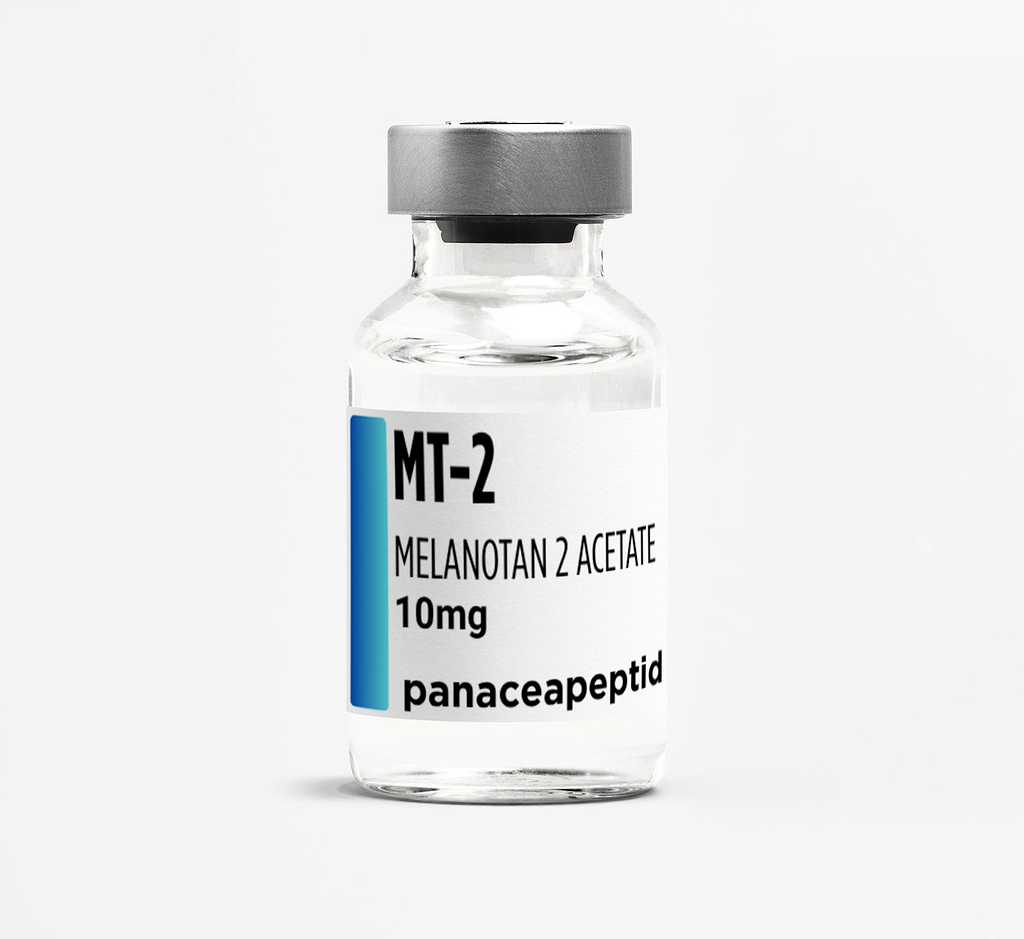
SHORT DESCRIPTION
Melanotan II (MT-2)
Melanotan II (MT-2) is a potent synthetic analog of the naturally occurring alpha-melanocyte-stimulating hormone (α-MSH) that induces skin tanning and increases libido by stimulating protective melanin production without the need for high UV exposure.
Description
Often dubbed the "Barbie Drug," Melanotan II is a multi-functional peptide used primarily for sunless tanning, photoprotection, and the treatment of erectile dysfunction. It is a non-selective agonist of melanocortin receptors, offering a systemic approach to skin pigmentation and metabolic regulation.
This product is for research purposes only and is NOT for human consumption. Intended for use by qualified researchers and institutions only.
RESEARCH AND PRACTICAL APPLICATIONS
Description of Mechanism of Operation
MT-2 works by mimicking the action of α-MSH, binding to Melanocortin Receptors (MCRs):
MC1R: Stimulates melanocytes to produce eumelanin (dark pigment), providing a tan and protecting skin cells from DNA damage caused by UV rays.
MC3R & MC4R: These receptors located in the central nervous system influence appetite suppression, energy expenditure, and sexual arousal/erectile function.
Melanogenesis: It triggers the tanning process internally, bypassing the traditional inflammatory "sunburn" response.
Pro's & Cons
Pros: Rapid, deep tanning with minimal UV exposure; powerful libido enhancement; appetite suppression; potential protection against skin cancer for fair-skinned individuals (Type I/II).
Cons: Causes darkening of existing moles and freckles; potential for "patchy" tanning; nausea and facial flushing are very common; risk of permanent hyperpigmentation if misused.
Safety
Melanotan II carries significant safety considerations:
Mole Changes: It can darken dysplastic nevi, making it difficult for dermatologists to screen for melanoma.
Systemic Effects: Can cause "Priapism" (painful, long-lasting erections) and severe nausea.
Purity Concerns: Most MT-2 is sourced from unregulated "grey market" labs, posing risks of bacterial contamination or incorrect concentration.
Rhabdomyolysis: High doses have been linked in rare cases to muscle breakdown and kidney stress.
Legal Status
Global: It is not approved by the FDA (USA), EMA (Europe), or TGA (Australia) for human use.
Sales: It is illegal to sell MT-2 for human consumption; it is strictly a "research chemical."
Warning: Many health agencies have issued public warnings against its use due to the lack of clinical oversight.
Practical Application & Examples of Conditions
Erectile Dysfunction: Used off-label for patients non-responsive to PDE5 inhibitors (like Viagra).
Photoprotection: Used by individuals with Erythropoietic Protoporphyria (EPP) or severe sun sensitivity to prevent painful reactions to light.
Weight Management: Occasionally used by biohackers for its potent anorectic (appetite-killing) effects.
What Can Be Expected (Timeline)
Days 1–3: Immediate side effects like flushing, yawning, and increased libido; subtle darkening of existing freckles.
Week 2: The "Loading Phase" typically results in a visible change in skin tone.
Month 1+: A deep, "mahogany" tan is usually established, requiring significantly less frequent dosing to maintain.
Dosing in Longevity / Biohacking Space
Maintenance: Once a desired tan is achieved, users often switch to "micro-dosing" once or twice a week to keep melanin levels stable.
Optimization: Involves a daily "loading" protocol combined with very brief (5–10 min) UV exposure to "lock in" the pigment and ensure an even tone.
Optimization Checklist (Supportive Supplements)
To maximize results and mitigate side effects:
L-Tyrosine: The precursor to melanin; helps provide the raw materials for pigmentation.
Ginger or Anti-emetics: To combat the common nausea associated with injection.
Antioxidants (Astaxanthin/Lycopene): To provide internal UV protection and improve skin hue.
High-Quality Moisturizer: To prevent skin peeling and maintain the longevity of the tan.
Benefits of Peptide Therapy vs. Regular Clinical Protocols
Standard clinical protocols for tanning involve UV beds or topical DHA (fake tan). UV beds carry a high risk of DNA damage and skin aging, while DHA is messy and temporary. MT-2 offers a systemic, biological change that provides actual photoprotection (melanin) from the inside out, rather than just staining the top layer of dead skin cells.
What is the key difference between Melanotan I and Melanotan II?
Key Differences in Side Effect Profiles in Receptor Selectivity:
Melanotan I (Afamelanotide): Highly selective for the MC1R (Melanocortin-1 Receptor), which is primarily responsible for skin pigmentation. Because it focuses on the skin, it typically causes fewer systemic side effects.
Melanotan II: A non-selective "pan-agonist" that binds to MC1R, MC3R, MC4R, and MC5R. Activation of these additional receptors in the brain and central nervous system leads to broad systemic effects.
Side Effect Comparison:
Side Effect Melanotan I (MT-I) Melanotan II (MT-II)
Nausea Mild to moderate, often reported as less frequent Common and often severe; frequently a primary reason for discontinuation
Sexual Effects Rarely reported; indirect if any Strongly associated with increased libido and spontaneous erections (due to MC4R activation)
Appetite Minimal to no reported changes Significant suppression and potential weight loss (due to MC3R/MC4R)
Flushing Minimal or mild Moderate to common facial flushing
Fatigue/Yawning Reported but less distinct Distinct "stretching and yawning" complex often preceding erections
Regulatory and Clinical Status
Melanotan I: Has achieved regulatory approval in the United States (FDA) and Europe under the brand name Scenesse. It is administered as a slow-release subcutaneous implant by medical professionals specifically for treating erythropoietic protoporphyria (EPP).
Melanotan II: Has no regulatory approval for human use anywhere in the world. It is primarily available as an unregulated "research chemical," which carries additional risks of impurity and contamination. (Wikipedia)
Summary of Safety Risks
Both peptides can cause the darkening of existing moles (nevi) and the appearance of new ones. However, Melanotan II is more frequently associated in case reports with atypical changes in nevi and potential blood pressure elevation. Experts caution that using unregulated versions of either peptide from online sources significantly increases the risk of infection or systemic toxicity. (Taylor & Francis Online) That said - a recent study has proven that at least 80% of all peptides sold in the US, finds it way in bulk raw form, from Chinese suppliers. It only gets "Cut & Packaged" inside the US, and then labeled as a "Made in the USA" because there is a packaging factory on US soil, with 60 or 80 employees behind closed doors.
Research Use Only
These instructions are for research purposes. Use under medical professional supervision.
Reconstitution Instructions
Dosing Instructions
Common Doses
Syringe Recommendations
Storage Instructions
You May Also Like